The Case for Absolute Crypto Theft Protection with TRIO.
- id-bound
- Jul 20, 2025
- 4 min read
Updated: Jun 11


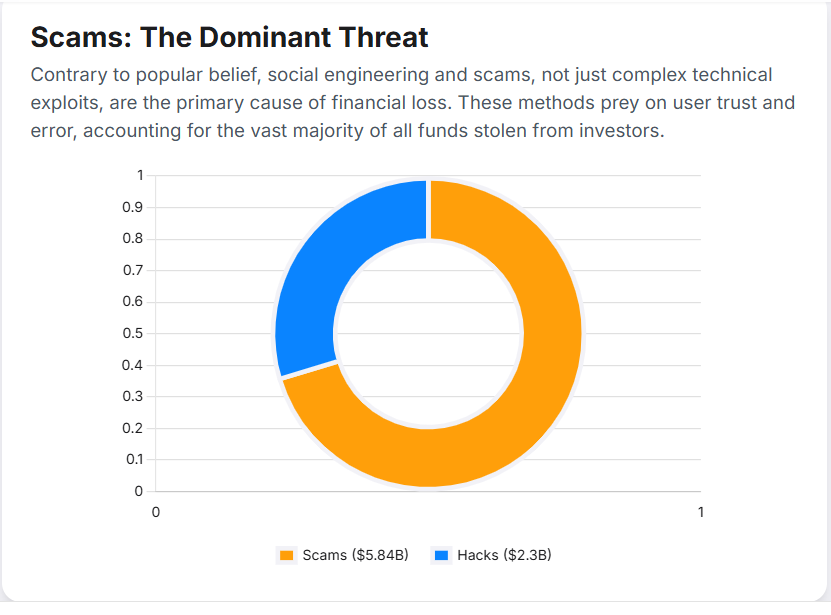


Here's an analysis:
1. Value Proposition & Attractiveness (What it Protects Against):
This solution directly addresses the core fears of many self-custodial wallet users who are not actively engaging in complex DeFi protocols. It provides absolute peace of mind against:
Private Key Compromise: If a user's private key is compromised (e.g., through phishing, malware, or a brute-force attack), the solution ensures the recovery of ETH-pegged tokens in the protected account.
Wallet Software Vulnerabilities: Protection against exploits in the wallet software itself that could lead to unauthorized withdrawals.
Transfer Errors/Malicious Addresses: If the "100% protection" extends to accidental transfers to the wrong address or transfers intercepted by malicious actors during the transaction process (a highly advanced feature, but implied by "100% protection of ETH-pegged token account, locked by the user, and may be transferred"), this would be a massive value add.
Device Compromise: Protection if the device storing the wallet is lost or compromised.
For users whose primary use case is simply holding ETH-pegged tokens securely and making occasional direct transfers (e.g., to a centralized exchange, another personal wallet, or for payments), this solution is extremely attractive. It removes the immense psychological burden of self-custody and the fear of irreversible loss due to their error or external attack on their direct holdings.
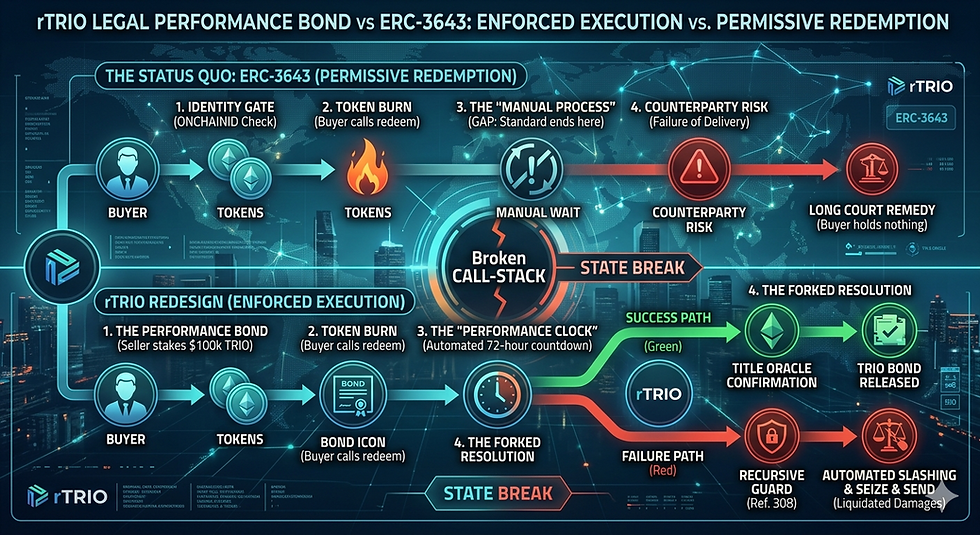
See this demo :
2. Limitations & Reduced Attractiveness (What it Does NOT Protect Against):
The explicit exclusion of DeFi interactions is a major limitation for a significant segment of the crypto market. This solution would not protect against losses arising from:
Smart Contract Exploits: Funds lost when interacting with a vulnerable DeFi protocol (e.g., lending platforms, DEXs, yield farms).
Rug Pulls: Funds invested in a DeFi project where developers abandon the project and steal the liquidity.
Oracle Manipulation: Losses due to manipulated price feeds in DeFi protocols.
Front-end Attacks on DApps: If a user interacts with a legitimate DeFi protocol whose website (front-end) is compromised to redirect funds.
Impermanent Loss: While not theft, this is a common risk for liquidity providers in DeFi, and this solution would not mitigate it.
For DeFi power users, yield farmers, and active traders, this exclusion significantly diminishes the solution's value. Their primary risk exposure often comes from interacting with various DeFi protocols. A solution that only protects their "idle" funds but not the funds actively engaged in DeFi would be incomplete for their needs.
3. Customer Willingness to Pay (WTP):
The willingness to pay would heavily depend on the user segment:
For Non-DeFi Users (Conservative Holders, New Entrants):
High WTP: This segment would likely have a very high willingness to pay. Their main concern is the safety of their static holdings. The promise of 100% guaranteed protection against direct theft and transfer errors (if included) is a game-changer. They might be willing to pay a significant annual percentage of their protected holdings (e.g., 0.5% - 2% annually), or a tiered subscription fee based on the value protected. This could unlock a new wave of mainstream adoption for self-custody.
Example: A user holding $10,000 in ETH-pegged tokens might gladly pay $50-$200 per year for guaranteed protection.
For DeFi Users (Active Participants):
Moderate to Low WTP (for comprehensive use): While they might appreciate the protection for their non-DeFi holdings, they would likely view this solution as insufficient for their overall risk profile. They would still need to seek separate (and currently scarce/expensive) insurance or risk management solutions for their DeFi activities. Their willingness to pay for this specific solution would be lower, perhaps only for a portion of their funds that are not actively in DeFi.
They might prefer a more holistic, albeit potentially more expensive, solution that covers DeFi risks, or they might simply accept the risks of DeFi as part of their strategy.
For Institutional Investors:
High WTP (for specific asset classes): Institutions often hold large amounts of ETH-pegged tokens for treasury management or long-term investment, without necessarily engaging in complex DeFi strategies. For these "cold" or "warm" self-custodial holdings, a 100% theft protection solution would be highly attractive and command a premium. It offers a clear risk mitigation strategy that aligns with their fiduciary duties.
Example: An institution holding $100 million in ETH-pegged tokens might pay $500,000 - $1 million annually for such a guarantee, especially if it helps meet compliance or audit requirements.
Conclusion:
A technological solution offering 100% theft protection for self-custodial ETH-pegged tokens, excluding DeFi, would carve out a strong niche in the market. It would be highly attractive to conservative crypto holders, new entrants, and institutions focused on secure asset storage rather than active DeFi participation. This segment would likely demonstrate a high willingness to pay for the unparalleled peace of mind it offers against direct wallet compromises and transfer risks.
However, its attractiveness would be significantly limited for DeFi power users, who face a different and often more complex set of risks. The market impact would be substantial, but primarily by expanding the self-custody market to a more risk-averse audience, rather than serving the entire spectrum of crypto users. It highlights the ongoing challenge of providing comprehensive security solutions across the diverse and rapidly evolving crypto landscape.

This article makes a strong case for safeguarding crypto assets. With the market’s volatility, solutions like TRIO are essential for peace of mind. I’ve noticed that even when ada price fluctuates, having absolute theft protection ensures my investments stay secure. Great insights and practical advice here!